Catch up on last year's best books this winter
Settle into the colder months with the most unforgettable reads from 2025.

Many of us have a to-read list that feels like a mountain to climb. With winter settled in, there’s a rare opportunity to slow down and finally catch up on the standout books released in 2025 that you may have missed. From white-hot dissections of modern marriage to sun-bleached Italian escapes, these are the stories that shaped last year’s literary conversations and why they’re still worth your time now.
Ripeness
by Sarah Moss

A sun-drenched novel by one of the most gifted British writers working today, Ripeness is the perfect antidote to the winter chill. The story unfolds across two summers, following Edith Braithwaite at pivotal moments in her life: first as a 17-year-old spending a heady season amid the secrets of a small Italian village in the 1960s, and later as a 73-year-old living a quiet, independent life in contemporary County Clare, Ireland. Throughout, Moss weaves in gentle echoes of George Eliot’s Middlemarch, exploring how close-knit communities, gossip and social codes can quietly shape and confine our lives.
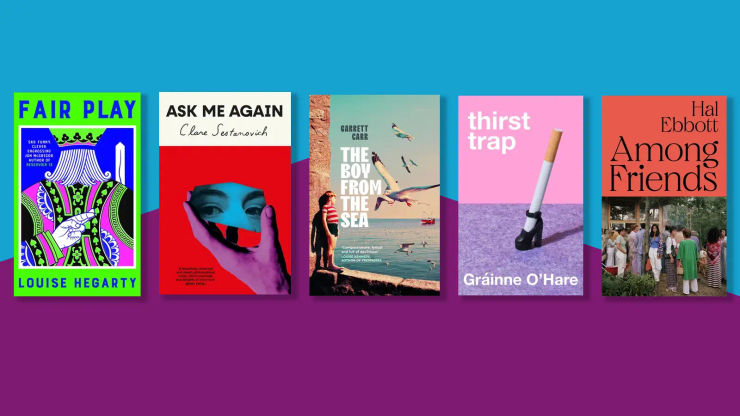
Thirst Trap
by Gráinne O'Hare

You might be hibernating right now, but the pull of big nights out may not have disappeared entirely. Gráinne O’Hare’s debut novel, Thirst Trap, documents the messy shift from your twenties into the more daunting territory of your thirties. Raucous, alcohol-soaked and unexpectedly tender, this novel explores female friendship in the aftermath of tragedy. Set in a crumbling Belfast houseshare, it follows Maggie, Harley and Róise as they edge towards their thirtieth birthdays, struggling to work out what growing up really means. As the stairs in their rented house begin to collapse, so too do the fault lines in their friendship, raising the question of whether bonds forged in youth can survive what comes next.
Bonding
by Mariel Franklin

If you’re in the mood for sharp satire, look no further than Mariel Franklin’s standout debut, a smart pharma thriller that takes aim at the corporate hijacking of human emotion. Mary, a woman in her early thirties living in London, takes an impulsive trip to Ibiza after losing her job. There, she meets Tom, a charming chemist on the brink of launching a revolutionary drug marketed as a cure for modern anxiety, though it comes with the unsettling side effect of chemically engineered “bonding.” Praising the novel, Zadie Smith has described Franklin’s work as essential reading for anyone interested in “the relationship between tech, our bodies, and our minds.” This timely story asks whether intimacy and digital connectivity are truly as liberating as we are led to believe.
Among Friends
by Hal Ebbott

Hal Ebbott’s slow-burning debut drama was one of the most talked-about novels of 2025, marking him out as one of the freshest voices in American fiction. Set over the course of a single weekend in an upstate New York country house, two wealthy families, whose lives have been entwined for more than thirty years, gather for a birthday celebration. What begins as a languid weekend of fine wine and polished conversation soon darkens as old rivalries and buried resentments rise to the surface, leading to a shocking turn of events. A treat for readers who enjoy The Great Gatsby and other Great American Novels, this sharply observed, character-driven tragedy explores societal class, wealth and marriage, making it an ideal read for long winter nights.
Liars
by Sarah Manguso

If you’re looking for something to energise you, Sarah Manguso’s Liars offers a bracing, polarising take on marriage that's written with cool, clinical precision. A visceral, one-sided account of a relationship in collapse centred on Jane, a gifted writer, and John, an aspiring filmmaker. Over the course of a decade, marked by financial instability and emotional manipulation, the marriage unravels until it explosively burns itself out. One of the most talked-about books of the year, Liars has sparked heated conversations about unreliable narrators and the politics of motherhood. Nick Hornby, author of High Fidelity, called it “a white-hot dissection of the power imbalances in a marriage… as gripping as you want fiction to be.” Not to be missed.
Rosarita
by Anita Desai

After a two-decade absence from the novel, the three-time Booker Prize finalist and towering figure of postcolonial literature returned last year with a shimmering story that will appeal to readers who enjoy lyrical prose paired with psychological depth. Set among the sun-bleached plazas of San Miguel de Allende, Mexico, the story follows Bonita, a young Indian woman who has travelled there to study Spanish, drawn by the promise of anonymity. Her fragile sense of peace is disrupted when she encounters an eccentric stranger, Vicky, who insists Bonita is the spitting image of her mother - a gifted Indian artist named Rosarita who is said to have lived and painted in Mexico decades earlier. Though brief, this emotionally rich novella gently encourages readers to reflect on family history and identity, making it an ideal way to ease back into reading in the new year.
Anyone's Ghost
by August Thompson

Named after a song by The National, August Thompson’s haunting, drug-fuelled and tender debut novel explores the all-encompassing nature of love. Lonely fifteen-year-old Theron David Alden meets the cool, confident and devastatingly handsome Jake one unforgettable summer in New England. From that moment and over the course of two decades, Theron and Jake's lives drift apart and are brought back together, until a final collision tears them apart forever. This deeply heartbreaking love story about masculine frustration, longing and growing up will have you in tears and desperate to share this “sad-boy” novel with others.
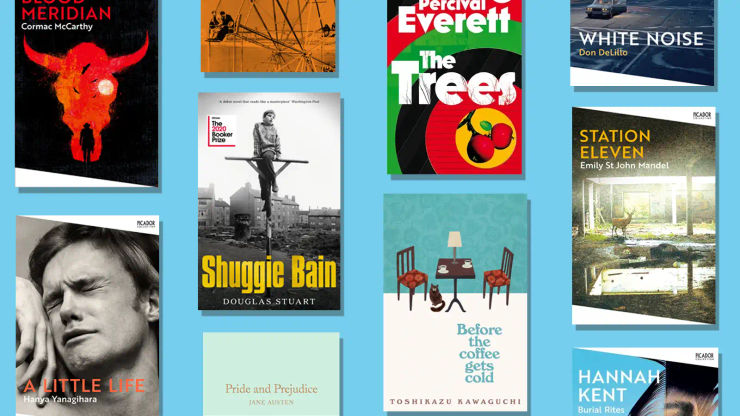
Before We Forget Kindness

As we embrace new beginnings at the start of the year, find solace in "healing fiction" (or the iyashikei trend) with Toshikazu Kawaguchi’s latest installment in the Before the Coffee Gets Cold series; a gentle, tear-jerking masterclass in regret and reconciliation. Returning to the mysterious, basement-dwelling Café Funiculi Funicula in Tokyo, four new visitors must follow the established rules of Kawaguchi’s universe in order to travel back in time. Most of the action takes place in a single room, with the stage-like nature of Kawaguchi’s writing relying heavily on dialogue and emotional atmosphere rather than sprawling landscapes. This comforting read is perfect for those who believe in the power of words and the importance of saying what you feel while you have the chance.